
ネイティブによる英会話教室

英語でのコミュニケーションを演習する英会話教室です。
バイリンガルを目指しませんか?
話題の記事を読み、生の英語で話を聞き、
質疑応答する初中級向けの参加型3時間クラスで、
自己紹介スピーチ練習も含みます。
注:次回の講義は別途案内します。前回のレッスン概要は下記です。
”Tracing the emotional roller-coaster ride of life abroad”
-Surveys of Japanese students in the U.S. pick out the peaks and troughs of living overseas- by Patrick Parr
“Why do you go away?
So that you can come back.
So that you can see the place you came from with new eyes and extra colors. And the people there see you differently, too.
Coming back to where you started is not the same as never leaving.” — writer Terry Pratchett

開催日:2016年10月16日(日曜日)
9時半~12時半(3時間の集中)
( 9時15分に会場・受付)
会 場:王子北とぴあ
*王子駅すぐ隣の高層ビル 研修室 8F 806
王子駅北口徒歩3分 (JR京浜東北線、東京メトロ南北線)
参加費: 3,000円(税込)/1人当たり
講 師: Julian Israel

概要:
話題の記事を読み、生の英語で講師の話を聞き、用語を理解した後で、コメントする初中級向けの参加型クラスです。自己紹介スピーチの練習も含む3時間授業です。事前に受講者の皆様へテキストを配布し、あらかじめ準備頂けるように致しますので安心して参加でき、効果も上がります。生の英語に慣れることで、英語力に自信がつき、自ら発表できるようになります。

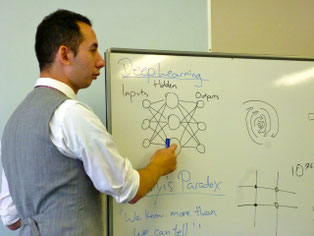
講師:Julian Israel
西洋文化解説で人気の高いジュリアン・イズラエル(Julian
Israel)、イギリス育ちのバイリンガル英語講師であり、西洋文化の解説と新しいスタイルの英語レッスンに定評があります。オープンで楽しく、活発なレッスンをお楽しみいただけます。また、“Grammar and Pronunciation Consultant" at Tokyo Phoenix Toastmaster Clubを務める。
◆プログラム
9:15 -9:30 開場・受付
9:30-10:00 オリエンテーション : コーディネーター 安達信男
・基本用語、発音練習、効果的な自己紹介方法の解説
10:00-11:20 西洋文化を扱った記事の解説:講師:Julian Israel
・”海外に住んで経験するカルチャーショック”の記事を読み、生の英語で講師の話を聞き、用語の理解をした後で、質疑応答する授業です。
11:20-11:30 休憩-Coffee Break-
11:30-12:30 自己紹介スピーチ演習 :講師:Julian Israel、安達信男
・得意技をトークに含めた自己紹介スピーチを作文し、1分間スピーチを行います。
その折、フロアからのの質問に応えるほか、講師のフィードバックがありますので、どこまで話が通じたかを自分なりに把握できます。
12:30 終了
なお、事前に受講者の皆様へテキストを配布し、あらかじめ予習頂けるように致しますので 安心して参加でき、効果も上がります。
◆受講対象:
① 英会話研修の一貫として時事英語に触れたい方、海外旅行の準備をしている方
② ネイティブ講師によるクラスで、自分の英語を試したい方
③ 英語を使う仕事に従事する海外出張、または、社内公用語に対応する方

<テーマ>
今回は日本人が海外へ行って経験するカルチャーショックを改めて見直します。
日本は如何に特有な国か、カルチャーショックを受けずに帰国する方は果たしてどれ程いるのでしょうか。
興味深いJapan Times の記事を取り上げて学習します。読み合わせ、質疑・応答、そして意見交換を含んだ楽しい英会話教室となります。
海外文化に対する疑問や愚痴は講師ジュリアンに遠慮なくぶっつけて、反応を楽しんでみてください。 事前に記事を一読して頂ければ、効果的な学習でき楽しめます。
◇記事の冒頭◇
”Tracing the emotional roller-coaster ride of life abroad”
-Surveys of Japanese students in the U.S. pick out the peaks and troughs of living overseas- by Patrick Parr
“Why do you go away?
So that you can come back.
So that you can see the place you came from with new eyes and extra colors. And the people there see you differently, too.
Coming back to where you started is not the same as never leaving.” — writer Terry Pratchett
This month, thousands of Japanese students will begin the often life-changing journey of studying abroad, hoping to have an experience like no other. According to
the Institute of International Education’s Project Atlas, there are around 65,000 Japanese students studying overseas in any given year.
A quarter of these students (24 percent) choose the United States as their destination. Of course, that could have a lot to do with pre-established relationships
between universities and agencies, but the point is that many Japanese students are experiencing American culture, and, consequently, experiencing the sensation of leaving behind their home
country.
In the last five years, I’ve been fortunate enough to have taught hundreds of Japanese students studying abroad in the state of Washington. I wanted to dig a bit
deeper into why exactly they chose to leave the comforts of Japan for another country. To do this I created a survey, and received over 60 results from students whose age range was between 19 and
40.
Choosing to live abroad is no small decision. I’m sure the majority of people reading this have at least exercised this concept hundreds of times in their minds. Many other readers are probably
experiencing it right now. Still, I thought I would show a standard graph used quite commonly in American universities to illustrate the emotional ups and downs of living abroad (on right).
How long a student experiences each category varies case by case. For example, in the surveys I received from students who had lived in the U.S. for only one or two months, many of them expressed
more of a fascination with the culture — an innocence, I guess you could say — than other “long-termers.” Below are a few representative quotes from surveys by students going through these
stages.
1.Honeymoon
• “Dogs and cats can get on buses.”
• “(I can have) small talk with unknown person.”
• “Blue-colored food … (we don’t have blue food in Japan).”
• “People are friendly and open-minded compared with Japan.”
From my experience, the honeymoon could even be called “the calm before the storm,” since it is followed by the titanic disappointment of culture shock.
< 中略>
セミナー効果の一例
◆製品マニュアルの理解(読み)
日本で使用されているIT機器は、海外、特に米国ベンダー製がほとんどです。当然、説明書や設定手順書等は全て英文となり、基本的理解があっても専門用語(例:enable、disable、reboot、initialization、archive、domain等)を会得していないと理解できません。本セミナーにより業務に必要な基本用語、文法、読解方法を習得します。

受講申し込み
是非、ご検討頂き、webで登録またはメールでお申込みをお願いします。
メール宛先:[email protected] (㈱)アジック 安達宛へ

ビジネス英語教室
午後の「ビジネス英語 in ネイティブEnglish」を一緒に受講される場合は、合計から¥1,000を割引しますので、ぜひ、ご検討ください。
¥3,000
(税込)


